by Richard Baxter DMD, MS | Feb 4, 2015 | Dental Health, Parent Questions, Pediatric Dentistry
FAQ: Should my child use a fluoride toothpaste?
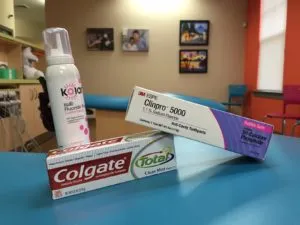
Shelby Pediatric Dentistry Birmingham AL Fluoride
We have parents ask this question daily as well. The answer may surprise you! We follow the American Academy of Pediatric Dentistry and American Dental Association recommendations of starting a fluoride toothpaste as soon as you start brushing the teeth.
Wait! I thought fluoride is dangerous if you swallow it! Yes, you are correct; it can be dangerous, just like any other substance or medication. If you drink too little water, you will die. If you drink too much water, you can die too. If you have too much fluoride (eat tubes and tubes) you can get very sick, but for most people this is not the concern.
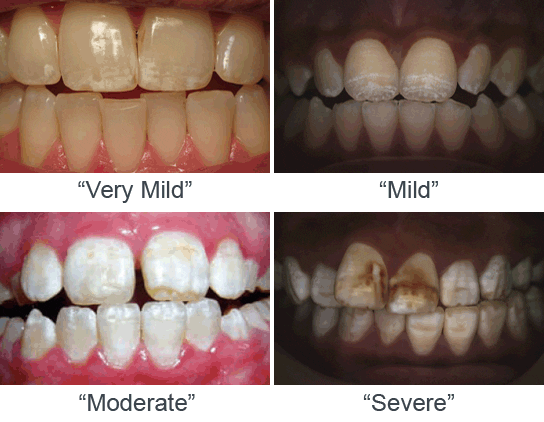
When people are concerned about children swallowing toothpaste, it is more likely that they are worried about the child getting fluorosis on their teeth. Most fluorosis is very mild to mild and is small white dots or lines on the teeth. Many studies have found that people actually find the teeth with mild fluorosis more attractive than the normal teeth without it! In more severe fluorosis, this can be yellow to brown stains on the teeth which many people would find unattractive (see chart below).
This only truly occurs in places where there is unmonitored well water, out in the countryside, and the amount of fluoride in the water is extremely high (this is very rare). Most water that is fluoridated is around 0.7ppm, but can range from 0.7ppm – 1.2ppm, which is enough to get a dental benefit, but would not cause fluorosis even if a large amount of water is consumed.
This brings us to the question of whether we should use fluoride toothpaste in your children. For most people, the answer is YES; start using fluoride as soon as the first tooth comes in. This is a new recommendation, so don’t feel bad if you haven’t done so yet! The AMOUNT is critical. For children age 2 and under, a smear is recommended to prevent cavities and also be a safe amount if they swallowed the whole thing.
If they are age 2-5, then a pea-size amount is recommended. If your child has had cavities in the past, then having them spit out the extra toothpaste, but NOT rinsing with water afterward will allow the toothpaste to remain on the teeth, and allow the teeth to take up the fluoride for a longer period of time. This habit of not rinsing will strengthen the teeth against the bacteria in your mouth that produce cavities. This will save you money (in dental bills), and time! Dentistry is one of the only professions trying to work ourselves out of a job!
Fluoride facts
- Every $1 invested in water fluoridation saves approximately $38 in dental treatment costs.
- The cost of oral health care for children can be reduced as much as 50% if you drink fluoridated water.
- None of fluoride’s supposed risks (government plot, mass medication, causes AIDS, cancer, heart disease, etc.) have ever been established in scientifically valid studies.
- Fluoride has been in 70% of water supplies, and has been around since the 1940s, so if there was a major concern, it would have surfaced by now!
- Fluoride mainly acts topically, so taking fluoride supplements don’t do much good unless you chew them first.
by Shelby Pediatric Dentistry | Jan 26, 2015 | Pediatric Dentistry
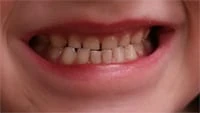
Grinding Teeth
Shelby Pediatric Dentistry is starting a new blog! In this blog, we will feature news in the world of pediatric dentistry and answer questions frequently asked by parents. If you have any questions for Dr. Baxter, please post them on our Facebook page or in the blog comments below.
Frequently asked question:
Is it ok that my child grinds his / her teeth?
Our parents ask us many variations of this question, but the answers are all the same. Often, a parent notices their child grinding his or her teeth at night while sleeping. This can sound similar to “nails on a chalkboard” and can be disruptive to sleep habits for the parent or the child. Typically, nighttime grinding will cause no real harm to the child but can cause sleepless nights for the parent if they are co-sleeping or in the same room. Daytime grinding is an easier habit to break, but it can still be difficult to change for the young child who doesn’t even realize he is doing it.
How can you know if your child is grinding his or her teeth? If you hear a noise at night like two teeth rubbing together, that would be your biggest clue! If the baby teeth look very worn or are flat on top, then the chances are good that you have a grinder. There could also be tenderness or tightness in the jaw after waking up from sleep.
Some studies have noted that children with enlarged tonsils have disruptive sleep habits, wake frequently from sleep, and grind their teeth. These same studies have also noted a higher incidence of ADD/ADHD in these children. If your child does grind their teeth significantly at night, have your pediatrician or pediatric dentist check their teeth for wear, and check their tonsils to see if they are enlarged. This may be something to discuss with your pediatrician if your child does have larger than normal tonsils.
So what should you do if your child is grinding his or her teeth? First, try to determine when it is happening and if there are any triggers (food, stress, etc.). Some people notice increased tooth grinding with gluten or dairy, or with increased stress from school, peers, or changing home situations. Next, alert your dentist at your next dental health visit to see if it is causing any real harm to the teeth. Most of the time, there is no need to intervene, and the child will grow out of it. Once the child has all of his or her permanent teeth (around age 12), a dentist can make a night guard for the child to use at nighttime so they grind the plastic instead of their teeth. Before all the permanent teeth erupt, short of providing some kind of stress reduction, or identifying triggers, the only treatment would be to provide the child with medication to stop the grinding. In almost all cases, this would not be recommended unless the child had other special needs and was grinding all of the time. If the teeth are severely worn, a filling or crowns may be needed, and sometimes a baby tooth root canal would be needed if the nerve of the tooth is exposed.
The good news is that most kids outgrow tooth grinding by age 12, and it is significantly less by age 6-9.
