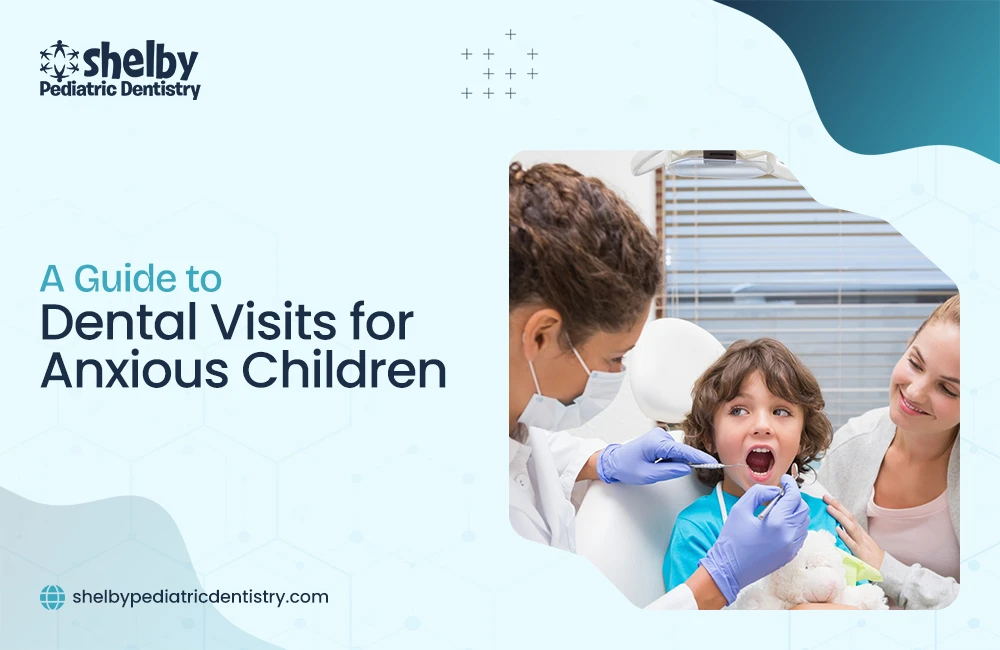
For many parents, the hardest part of a dental appointment isn’t the cleaning or the exam-it’s worrying about how their child will react.
Will they cry?
Will they refuse to sit in the chair?
Will the appointment be stressful for everyone?
If you’ve been asking yourself these questions, you’re certainly not alone. As a pediatric dentist, I’ve worked with many children who were nervous about visiting the dentist. The good news is that helping anxious children feel comfortable is one of the things pediatric dentists do every day.
In fact, many of our happiest patients today were once the children who were afraid to walk through our front door.
What Happens During a Dental Visit for an Anxious Child?
A dental visit for an anxious child focuses on building trust before treatment begins.
Pediatric dentists use child-friendly communication, gentle behavior guidance, and techniques like Tell-Show-Do to help children feel safe and comfortable.
🦷 Key Takeaways
Dental Anxiety Is Common
Many children feel nervous about visiting the dentist, especially when experiencing a new environment or unfamiliar procedures.
Trust Comes First
The dental team spends time helping children feel safe and comfortable before beginning an examination or treatment.
Tell-Show-Do Works
Children are told, shown, and then gently guided through each step, making dental care feel more predictable and less intimidating.
Positive Reinforcement
Every effort is celebrated to help children build confidence and develop positive feelings about future dental visits.
Parents Play a Role
Sharing your child’s concerns before the appointment helps the pediatric dentist create a more personalized and comfortable experience.
Confidence Grows Over Time
A positive first dental visit can reduce fear, encourage cooperation, and help children develop lifelong healthy dental habits.
Why Dental Visits Can Feel Overwhelming for Some Children
Children experience new situations differently from adults.
A dental office introduces unfamiliar people, new sounds, bright lights, and equipment they’ve never seen before. Even if nothing hurts, all of those new experiences can feel overwhelming. It can be a sensory overload!
Some children are naturally cautious. Others have had a previous medical or dental experience that made them anxious. Sometimes they simply don’t know what to expect.
Fortunately, most fears become much smaller once children realize the dental office is a safe place.
What Happens Before the Appointment?
Helping an anxious child often begins before they ever arrive.
We Learn About Your Child
When scheduling the appointment, we encourage parents to let us know if their child is especially nervous or has had a difficult dental experience in the past.
The more we know, the better we can personalize the visit.
Medical and Dental History
We’ll review your child’s medical history and ask about previous dental experiences, medications, allergies, and any concerns you may have.
We Talk With Parents
Parents know their children better than anyone.
If your child has specific fears or anxieties, sharing those with us ahead of time helps us prepare for a successful visit.
If you’re wondering whether your child’s anxiety is normal or you’re unsure what to expect, send us a message or call 205-419-7444. We’re always happy to answer questions before your child’s appointment.
Supporting Parents & Helping Children Feel at Ease
Let’s Talk About Your Child’s Dental Anxiety
What Happens When Your Child Arrives?
One of our goals is to make the dental office feel welcoming rather than intimidating.
Our team greets children warmly, introduces ourselves, and helps them become comfortable before we begin anything.
Rather than rushing into treatment, we spend time getting to know your child first.
For many children, simply realizing that everyone is friendly makes a tremendous difference.
How Pediatric Dentists Build Trust Before Treatment
Trust isn’t built by completing treatment quickly.
It’s built by helping children feel safe.
Tell-Show-Do
One of the most effective behavior guidance techniques is Tell-Show-Do.
First, we explain what we’re going to do using simple language.
Next, we show children the instrument or demonstrate it in a fun, non-threatening way.
Only then do we perform the procedure.
Knowing what to expect helps many children relax.
Child-Friendly Communication
We explain everything in age-appropriate language that children can understand.
Instead of using words that sound intimidating, we choose words that help children feel comfortable and involved.
Positive Reinforcement
We celebrate effort-not perfection.
Whether a child sits in the chair for the first time or completes an entire appointment, encouragement helps build confidence for future visits.
Every child responds differently, and that’s okay. Our goal is to meet children where they are and help them build confidence one visit at a time. If you’re looking for a pediatric dentist for an anxious child, send us a message or call 205-419-7444. We’d love the opportunity to meet your family.
Pediatric Dentist for Anxious Children in Birmingham, AL
Help Your Child Build Confidence at the Dentist
What If My Child Cries or Refuses Treatment?
Parents often apologize when their child cries.
Please don’t. It’s ok.
Crying is a normal way for some children to express fear, especially when they’re very young.
Our job isn’t to judge children for being nervous. Our job is to help them work through those feelings in a positive way.
Sometimes that means slowing down.
Sometimes it means taking breaks.
Occasionally, the best appointment is simply allowing a child to become comfortable with the dental office before attempting treatment.
Building trust today often leads to much easier appointments in the future.
Can Parents Stay During the Appointment?
This is one of the questions we’re asked most often.
The answer depends on your child’s age, personality, and treatment needs.
For many younger children, having a parent nearby provides reassurance and comfort.
In other situations, children become more independent and cooperative when they interact directly with the dental team.
We’ll always discuss what we believe is best for your child and work together to create the most positive experience possible.
At our office, parents are always invited back for treatment and even oral sedation. But it’s up to you if you want to grab a coffee and a few minutes to yourself while we get those teeth freshened up.
What to Expect After the Visit
Many parents are pleasantly surprised by how well their child does.
Even if a child begins the appointment feeling nervous, they often leave smiling after realizing the experience wasn’t nearly as scary as they imagined.
One positive dental visit can completely change a child’s attitude toward future appointments.
That’s one of the reasons we focus so much on building trust from the very beginning.
If you’ve been putting off your child’s dental visit because of anxiety or fear, don’t wait until a small concern becomes a bigger problem. Send us a message or call 205-419-7444. We’d love to help your child have a positive first experience.
Compassionate Pediatric Dental Care in Birmingham, AL
Ready to Help Your Child Feel Comfortable at the Dentist?
Frequently Asked Questions
1. What happens during a dental visit for an anxious child?
Pediatric dentists move at the child’s pace, explain each step using child-friendly language, and use techniques such as Tell-Show-Do and positive reinforcement to help children feel comfortable.
2. Can a child refuse dental treatment?
Yes. Some children become overwhelmed or frightened. Pediatric dentists are trained to work patiently with anxious children and determine the best approach for each individual child.
3. Can I stay with my child during the appointment?
Yes, we always invite parents back for cleanings, treatment visits, and even oral sedation. It’s often best for parents to observe their child’s behavior directly so that we can make a plan that works for everyone, and parents can be partners in care.
4. How do dentists calm nervous children?
Pediatric dentists use behavior guidance techniques, positive communication, gentle encouragement, and age-appropriate explanations to reduce anxiety and build trust.
5. My child is scared of the dentist. What happens during the visit?
The visit usually begins slowly. We focus on helping children become comfortable before performing an examination or treatment whenever possible. We put a movie on the overhead TVs, they can play in the lobby or on the playground, and they see the prize wall and our fish tank before even coming back. So the environment alone sets the stage for what hopefully will be a positive visit.
6. Will a pediatric dentist force treatment?
No. Our goal is to create positive experiences that build trust. Every child is different, and treatment recommendations are individualized based on the child’s needs and comfort level.
Let’s Help Your Child Feel Comfortable at the Dentist
Every child deserves a dental home where they feel safe, respected, and encouraged.
At Shelby Pediatric Dentistry, we understand that some children need a little extra patience and reassurance. Our team is committed to creating positive experiences that help children develop confidence-not fear-when visiting the dentist.
Whether this is your child’s first appointment or you’re looking for a new pediatric dentist, we’d love to help your family feel at ease.
To schedule an appointment, send us a message or call 205-419-7444. We look forward to helping your child develop a healthy smile and a lifetime of positive dental experiences.
Compassionate Pediatric Dental Care in Birmingham, AL