by SPD Team | Mar 26, 2026 | Dental Health
Most parents want their children to have the best health possible, including dental health. The staff at Shelby Pediatric Dentistry believes that proper oral health practices should begin in the early years of life. The field of preventive dentistry offers a solution to this problem. Dental checkups and cleanings, along with protective treatments you schedule for your child, will help them avoid future dental issues while they learn good dental care habits that will serve them throughout their lives.
What Is Preventive Dentistry?
Preventive dentistry is dental care that prevents dental problems through a proactive approach to maintaining dental health. The preventive dentist collaborates with families to create dental solutions that will stop dental issues from developing.
Children should receive proactive dental visits because their dental and jaw development is ongoing. The health of baby teeth must be maintained because they function as placeholders for permanent teeth, which should remain relatively straight for proper speech development, nutrition, and esthetics (a nice smile). The practice of preventive dental care should start when parents understand its purpose because this commitment will help their children maintain healthy smiles throughout their entire lives.
Why Dental Cleanings for Kids Are Essential
Essential twice-yearly dental cleanings establish fundamental dental health maintenance for children. The process of a dental cleaning for children differs from the basic dental practices of brushing and flossing, which parents should teach their children. At Shelby Pediatric Dentistry, our team uses professional preventive dental methods to eliminate plaque and tartar buildup that standard brushing practices often fail to remove. We use a light pumice and special instruments to remove stains, smooth surfaces, remove hard-to-reach plaque and calculus, and ensure there are no cavities.
What is preventive dental care? The process of learning proper brushing techniques makes children more vulnerable to plaque buildup. Many children brush their teeth too quickly because their small hands lack the ability to clean all areas of each tooth properly. The process of professional dental cleaning, followed by fluoride treatment for children, creates a harder barrier on the enamel that protects against bacterial colony formation that can lead to tooth decay.
The Role of Fluoride Treatment in Preventive Care
Fluoride treatment serves as a vital element that dentists use to maintain dental health. Fluoride functions as a natural mineral that enhances tooth enamel strength while protecting teeth against acid attacks from mouth bacteria and sugars.
At our office, we perform fluoride treatment by applying a small amount of concentrated fluoride varnish solution directly to your child’s teeth. The process requires a short time (around 10 seconds), and it causes no pain, with a pleasant taste, while providing highly successful results. Studies show that professional fluoride treatment decreases children’s cavity risk by up to 30 percent. We minimize the amount swallowed by applying only a small amount to the tooth surface where it is most needed, thereby reducing systemic or body absorption.
Fluoride is present in most tap water supplies and many toothpaste products, yet professional treatments deliver much higher fluoride concentrations that provide better protection. The treatment is successful because it helps children at a higher risk of cavity development to have stronger enamel protection. Children with softer enamel, or higher frequency of sugar intake, as evidenced by their past experience with dental caries (cavities), are at a higher risk of future cavities.
Start Your Child’s Journey to a Healthy Smile.
The earlier your child begins seeing a preventive dentist, the better their chances of maintaining excellent oral health throughout childhood and beyond. Sadly, we have children as young as one year old (maybe 18 or 20 months old), who already have cavities. That’s why it’s important to see a pediatric dentist well before the child’s third birthday, as was the old recommendation. The new recommendation is the first visit by the first birthday – mainly for preventive oral hygiene instructions, diet recommendations, and safe sleep (no bottle or milk on the teeth at night) recommendations.
At Shelby Pediatric Dentistry, our warm, fun, kid-friendly environment and team try to make every visit a positive experience. When a child comes for their first visit with a toothache, this is harder, but we still strive for it! Starting out with preventive care can make the first several visits positive, and hopefully, they will never even get a cavity. Or if we catch a cavity early, it will be small, and it’s easy to treat with minimal tears, making it a positive experience. Our team works to prevent dental problems before they start because we’ve seen how early treatment and ongoing dental care lead to better dental health for children.
You should not wait until problems arise to take action. Schedule your child’s appointment today, just call 205-419-7444 or send us a message, and give them the gift of a healthy, confident smile that lasts a lifetime. Parents should contact our team at Shelby Pediatric Dentistry to begin their preventive oral hygiene visit because every excellent smile requires preventative care.
FAQs
1. When should my child first visit a preventive dentist?
Your child needs their first preventive dentist appointment before their first birthday or within six months after their first tooth emerges. The initial dental appointment establishes a foundation for monitoring growth and developing comfort with dental treatments. We see one-year-olds with cavities, and by that time, we have to take them to the hospital to fix the teeth, so we don’t want that if we can avoid it!
2. What is preventive dentistry, and how is it different from regular dental care?
Its approach protects against future dental issues through professional cleanings, educational activities, fluoride, and sealant applications.
3. How often should my child get dental cleanings?
Most children require professional dental cleanings twice each year. The essential practice of regular dental checkups in preventive dentistry enables dentists to identify minor dental issues before they become major health complications.
4. Is fluoride treatment safe for children?
Yes! The application of fluoride treatment serves as a reliable method that effectively protects against tooth decay. Leading health organizations endorse its use, and our team carefully tailors each application to your child’s specific preventive dental care needs. We only use a tiny amount directly on the teeth.
5. What can I do at home to support my child’s preventive dental care?
Your child requires two daily toothbrushings with fluoride toothpaste, daily flossing, and restricted access to sugary snacks and drinks to maintain their preventive dental care. The combination of these practices with regular checkups at Shelby Pediatric Dentistry establishes preventive dentistry as the most effective treatment method. Tust call 205-419-7444 or send us a message to schedule an appointment for your child.
by SPD Team | Mar 12, 2026 | Dental Health
Your family celebrates each milestone, which includes your child’s first steps, first words, and first birthday. However, parents frequently neglect to acknowledge their child’s dental appointment as an essential achievement. Families need help because they do not know when to schedule their appointments, which results in their appointments being delayed.
This complete guide shows the best average age for the first dentist visit. It explains the importance of early dental care. It shows parents how to get ready for their child’s dental visit.
What Is the Recommended First Dental Visit Age?
Dental experts recommend scheduling your child’s first dental visit by their first birthday or within six months of the first tooth erupting – whichever comes first.
This means a baby’s first dental visit typically happens between 9-12 months of age.
Understanding Common Age Milestones
- Ideal timing: 9-12 months
- First dental visit at age 2: Slightly delayed but still manageable
- First dental visit at age 3: Considered late and not recommended
Many parents assume the average age for the first dentist visit is around 3 or 4 years old. However, waiting that long increases the risk of cavities and dental anxiety. We have many patients who have cavities at age 1 and 2 years old that require general anesthesia (put to sleep) to fix their teeth. We don’t want that to happen to your child!
Why Is Baby’s First Dental Visit Important?
Some parents question whether a baby’s first dental visit is necessary when only a few tiny teeth are visible. The answer is yes – and here’s why.
1. Early Detection of Dental Problems
Tooth decay can develop as soon as teeth appear. Early visits help detect cavities before they worsen. Tongue and lip-ties are also common culprits of speech, feeding, and sleep issues, and can be identified early. Chronic plaque buildup can also lead to cavities, and oral hygiene can be addressed at the first visit.
2. Monitoring Growth and Development
The dentist evaluates jaw growth, tooth eruption patterns, and bite alignment during the first dental visit for kids.
3. Parent Education
The visit provides essential guidance on:
- Proper brushing techniques
- Fluoride use
- Pacifier and thumb-sucking habits
- Nutrition and cavity prevention
- Proper diet (food and drink choices)
This highlights the importance of pediatric dental visits – they are preventive rather than reactive.
4. Building Comfort and Confidence
Introducing your child to the dental environment early reduces fear and promotes positive future experiences.
Benefits of Early Dental Visits for Children
Understanding the benefits of early dental visits for children can help parents prioritize early appointments.
- Prevention of Early Childhood Cavities
Preventive treatments such as fluoride applications significantly reduce the risk of decay.
Preventive care minimizes the need for expensive restorative procedures later.
- Establishing Healthy Habits
Children who begin routine dental visits early are more likely to maintain strong oral hygiene habits.
Kids who start dental visits early associate dental visits with comfort rather than pain. If your child’s first visit is for a toothache, it will be much harder to “win them over” and have a positive experience in the future.
What Happens During the First Dental Visit for Kids?
The first dental visit for kids is usually short, gentle, and stress-free. It typically lasts about 30–45 minutes.
What to Expect:
- Examination of teeth, gums, and jaw
- Checking for early signs of decay
- Gentle cleaning with a toothbrush
- Fluoride treatment (if recommended)
- Parental discussion about oral hygiene
For infants and toddlers, dentists often use a “knee-to-knee” position where the child sits on the parent’s lap for reassurance.
If your child’s first dental visit is at age 2 or first dental visit at age 3, the visit may include a more detailed cleaning or X-rays if necessary.
How to Prepare Your Child for Their First Dentist Visit
Knowing how to prepare your child for their first dentist visit can make the experience smooth and positive.
Use Positive Language
Avoid words like “pain” or “shot.” Instead, say:
- “The dentist will count your teeth.”
- “They’ll make your smile sparkle.”
Read Books or Watch Videos
There are many child-friendly resources (books, videos on YouTube) explaining a baby’s first dental visit in a fun way.
Practice at Home
Pretend to count your child’s teeth using a toothbrush. Role-play helps normalize the experience.
Schedule Strategically
Choose a time when your child is well-rested and fed. Most of the time little kids and toddlers do better with morning appointments.
Stay Calm
Children sense parental emotions. Your calm demeanor will reassure them.
Common Myths About the First Dental Visit
1. Baby teeth don’t matter.
Baby teeth are essential for speech, chewing, and guiding permanent teeth.
2. The average age for the first dentist visit is age 3 or 4.
The recommended first dental visit age is closer to 1 year old.
3. Dental visits are only needed if there’s a problem.
Preventive care is far more effective than emergency treatment.
Signs You Should See a Dentist Immediately
Schedule an appointment right away if you notice:
- White, brown, or black spots on teeth
- Swollen or bleeding gums
- Persistent bad breath
- Delayed tooth eruption
- Feeding, speech, or sleeping issues (tongue-tie)
- A large gap in the teeth (lip-tie)
Final Thoughts
Your child’s first dental visit marks the beginning of lifelong oral health. While some families schedule the first dental visit at age 2 or even the first dental visit at age 3, dental professionals strongly recommend starting around 12 months.
Recognizing the importance of pediatric dental visits and the benefits of early dental care for children helps ensure your child develops healthy habits, avoids preventable cavities, and feels confident at the dentist.Starting early isn’t just about protecting baby teeth – it’s about building a foundation for a lifetime of healthy smiles.
by Richard Baxter DMD, MS | May 16, 2017 | Dental Health, Infant oral health, Pediatric Dentistry
Many parents might find themselves wondering why we make all this fuss about baby teeth. They’re going to fall out anyway, right? It is true that the baby teeth will fall out eventually. The trouble is, some of those teeth are still in the mouth for a long time. Did you know that on average, the final baby teeth to fall out (the upper canines) aren’t lost until age 12!

If a tooth has an infection, like cavities, or has experienced trauma, it is often recommended to treat the infection or condition in order to restore the tooth to optimal function and esthetics. This is true of a baby tooth or a permanent tooth. There are many reasons to treat baby teeth just like we would permanent teeth. Below we’ll discuss just a few.
First, baby teeth are important for a child’s self-esteem. Children are sensitive to the appearance of their smiles just like adults are – we all want to have beautiful teeth to show the world. Second, baby teeth are important for functions like speech and chewing. If any of the teeth are broken down or causing pain, chewing and speaking can be impacted and lead to negative developmental consequences. Thirdly, baby teeth are important to the overall growth and development process of the jaw. Baby teeth act as space-holders for the permanent teeth that will eventually take their place, so if a baby tooth is lost early due to disease or trauma, permanent tooth positioning and jaw development can be negatively impacted as well. Last but certainly not least, it is important to keep your child’s baby teeth healthy and functional so that your child is comfortable and pain-free. Many children with dental disease have trouble concentrating in school and they miss more school days than children with healthy teeth, so routine checkups and following through with treatment recommendations are vital to making sure your child’s teeth are healthy and your child is able to go through their day to day life comfortably.
We hope this short post has helped you see the importance of your child’s baby teeth! Be sure to brush them twice a day with fluoridated toothpaste, floss in-between them daily, limit sugar in the diet (juice and fruit snacks included!), and visit your dentist for checkups every 6 months!
This post was written by Dr. Taylor McFarland, our board-certified pediatric dentist. If you have any questions about baby teeth or any other dental topics, please call our office at 205-419-7444 or send us an email at info@shelbypediatric.com.
by Richard Baxter DMD, MS | Jun 13, 2015 | Cavities, Dental Health, Parent Questions
 Flossing is a key part of maintaining a healthy mouth and a beautiful smile. But let’s be honest, flossing is not very high on the to-do list. Sometimes, it takes so much effort to get your child’s teeth brushed at night, that adding flossing would be just too much. So here’s a tip: Only floss your child’s teeth that are touching.
If your child’s teeth are not touching, you don’t have to floss. Make sure to brush really well, and brush along the gumline especially, but you only have to floss the teeth that are close together. Typically the front teeth, and the very back teeth are the only ones to touch. The most common place we see cavities in younger children (age 3-6) is between the baby molars. These four places often get food stuck between the teeth, and with four swipes of floss, you can prevent cavities easily. However, a lack of flossing, can cause these four places (or 8 teeth touching) to multiply to 8 cavities quickly! When flossing your child, make life easier on yourself and buy some of the little flossers (see photo above). Just be sure to wipe it between each tooth you floss or else you will just be spreading around the plaque.
To prevent those cavities between the teeth in the back molars, make sure to limit any sugary drinks, especially juice, Coke, Kool-Aid, sweet tea, and sports drinks. In fact, organic, no-sugar added apple juice (although healthier in general) has even more sugar than Coke! So we recommend water throughout the day and reserve white milk for meal times. The amount of time that the sugar is in contact with the teeth (less is best!) is the key to making sure your child does not get cavities.
As always, if you have any questions, or would like to schedule an appointment, please call 205-419-7444.
Dr. Baxter
by Richard Baxter DMD, MS | Apr 5, 2015 | Dental Health, Parent Questions, Treatment Options, Uncategorized
FAQ: What are sealants?
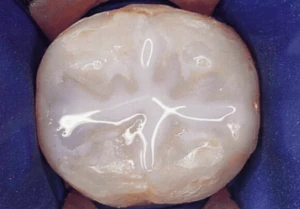
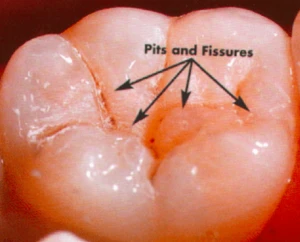
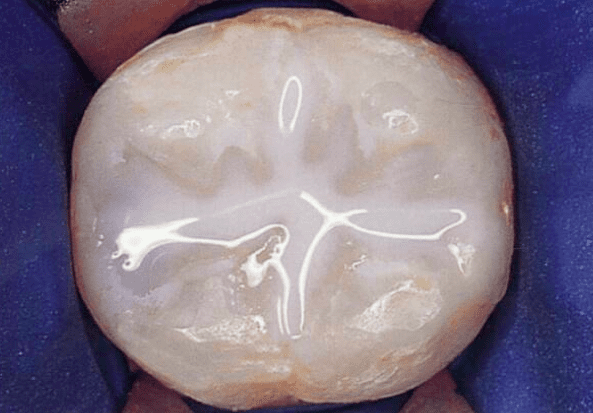
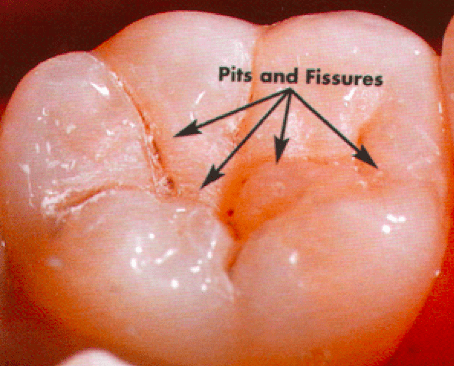
Sealants are a protective coating that can be placed in the deep grooves and pits of permanent molars (and sometimes other teeth). It is a white material that flows into the cleaned enamel, and when the blue light hits the sealant, it is cured and bonded to the tooth surface. Typically sealants can last 5-10 years, but sticky candy (jolly ranchers, laffy taffy, tootsie rolls, etc.) can pull them off, making them ineffective.
Sealants are important because around 42% of children aged 6-19 years have decay in their permanent teeth. Of those, 90% of cavities are found in the pits and fissures of the permanent molars. Sealants can reduce decay in children 86% at one year, 79% at two years, and up to 65% at nine years according to research from the ADA. Since we focus on prevention, we recommend sealants for all permanent molars, and we check the sealants at each visit to make sure they are doing their job of protecting the teeth. They are typically covered well by dental insurance, so they are a great way to protect your child’s teeth.
There was some concern in the past with BPA in dental sealants, and also with fluoride-releasing sealants. In our office, we use Clinpro from 3M ESPE, which contains no fluoride or BPA. Another factor unique to our office is the use of the Isolite system. Sealants placed with even slight moisture can fail quicker and will not protect the teeth as well as sealants placed in a dry field. The Isolite ensures that the child’s saliva is suctioned out during the entire procedure, and even reduces the humidity in the mouth to provide the best bonding and sealant retention possible. We can place the sealants in as little as 10 minutes on all four molars.
by Richard Baxter DMD, MS | Mar 24, 2015 | Dental Health, Parent Questions, Treatment Options, Uncategorized
FAQ: What are the different ways you can fix my child’s cavities?
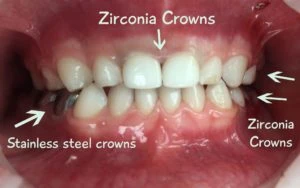
Actual picture of a patient treated by Dr. Baxter.
The treatment we use for children will depend on many different factors and can be quite complex. The two most important factors are the child’s age and their risk of future cavities. The treatment can range from simply monitoring or “watching” a cavity in a small child (or an older child who will lose the tooth soon) to having to do a silver cap in a child who has large decay on the tooth. The treatment of children’s teeth and more importantly, the child that those teeth are attached to, is much different than treatment for adults. We have to take into consideration the child’s psychological development, ability to cooperate in the chair, and their dietary and hygiene habits. In a nutshell, here are the different treatment options.
Monitor or watching a cavity: This is the most conservative route. There are many reasons we may recommend this option depending on the size and number of the cavities, the child’s age, the child’s brushing and flossing habits, and the child’s development.
White fillings: These plastic fillings are very common and are a good restoration to fix children’s teeth. We may recommend these to fix smaller cavities or to fix cavities in the grooves of the teeth. We don’t place any silver fillings (amalgams) because they contain mercury, which can be bad for your child and the environment.
Silver crowns or caps: These crowns are made of stainless steel (no mercury), and when the cavity grows bigger and has broken through to the sides of the tooth, or will require a baby tooth root canal (pulpotomy), then we will do a crown of some type. These silver crowns last longer than white fillings, and we know that the tooth is protected from getting any more cavities. If a child is younger, needs to have treatment in the surgery center, or has decay on many teeth (at a high risk), we may choose to use a crown to prevent further decay.
White crowns: This newer type of crown is made of zirconia and offer an esthetic option for teeth in the front or back of the mouth instead of silver crowns. These may be an option in a child that only needs a few crowns and is able to sit through the treatment (because they take longer to place than the silver ones). They are sometimes more costly than the silver crowns (depending on your insurance), but many parents like these because of their natural look.
Typically, treatment in the office is completed with nitrous oxide or laughing gas. This gas allows the child to relax, and within five minutes of turning it off, it is completely out of their system. Most children respond well to treatment in the office with laughing gas, and we can accomplish treatment that could otherwise not be done without it. It also reduces the gag reflex to increase your child’s comfort and produce the best dentistry possible.
If we are not able to complete treatment with nitrous oxide alone, then we may recommend oral sedation (for just a few teeth). If the child has more extensive dental needs, has had a fearful experience in the past, has special needs, or has lots of anxiety, we may recommend general anesthesia at Children’s Hospital with pediatric anesthesiologists.
With any decision to treat your child, we always weigh several options to individualize the choice to your child (because all children are different) and we strive to treat your child as we would our own. I only recommend treatment that I would do if it were my daughter in that situation, and when there is a choice between two good options, we let the parents know the options and let them decide.
If you have any questions about this post, or any others, please contact Dr. Baxter or the team at 205-419-7444.