FAQ: Should my child use a fluoride toothpaste?
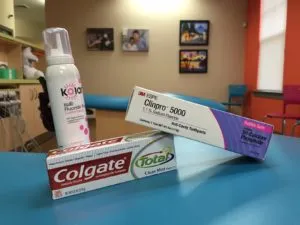
Shelby Pediatric Dentistry Birmingham AL Fluoride
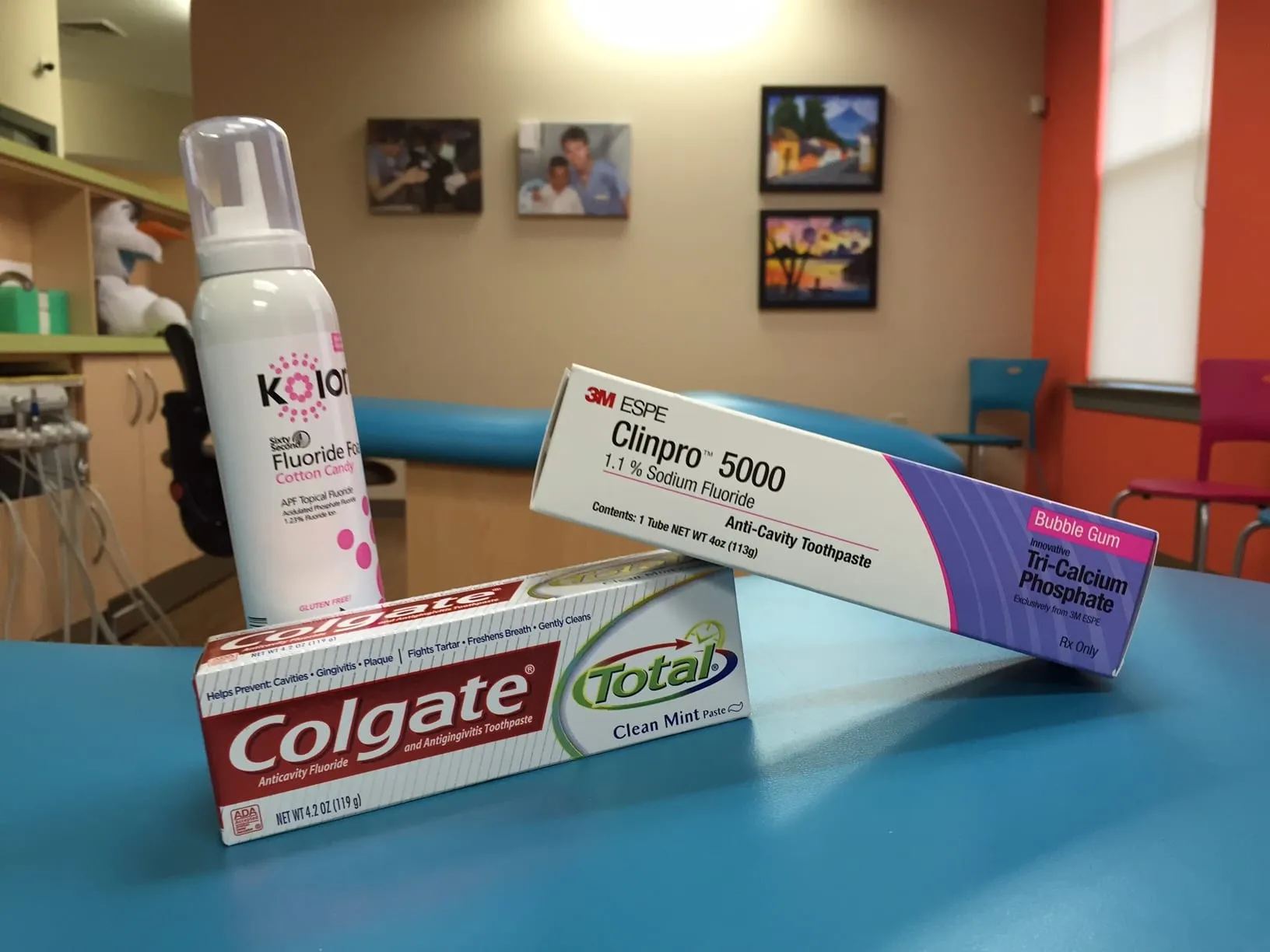
We have parents ask this question daily as well. The answer may surprise you! We follow the American Academy of Pediatric Dentistry and American Dental Association recommendations of starting a fluoride toothpaste as soon as you start brushing the teeth.
Wait! I thought fluoride is dangerous if you swallow it! Yes, you are correct; it can be dangerous, just like any other substance or medication. If you drink too little water, you will die. If you drink too much water, you can die too. If you have too much fluoride (eat tubes and tubes) you can get very sick, but for most people this is not the concern.
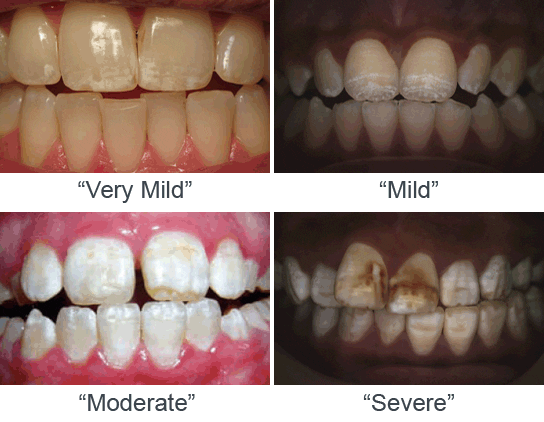
When people are concerned about children swallowing toothpaste, it is more likely that they are worried about the child getting fluorosis on their teeth. Most fluorosis is very mild to mild and is small white dots or lines on the teeth. Many studies have found that people actually find the teeth with mild fluorosis more attractive than the normal teeth without it! In more severe fluorosis, this can be yellow to brown stains on the teeth which many people would find unattractive (see chart below).
This only truly occurs in places where there is unmonitored well water, out in the countryside, and the amount of fluoride in the water is extremely high (this is very rare). Most water that is fluoridated is around 0.7ppm, but can range from 0.7ppm – 1.2ppm, which is enough to get a dental benefit, but would not cause fluorosis even if a large amount of water is consumed.
This brings us to the question of whether we should use fluoride toothpaste in your children. For most people, the answer is YES; start using fluoride as soon as the first tooth comes in. This is a new recommendation, so don’t feel bad if you haven’t done so yet! The AMOUNT is critical. For children age 2 and under, a smear is recommended to prevent cavities and also be a safe amount if they swallowed the whole thing.
If they are age 2-5, then a pea-size amount is recommended. If your child has had cavities in the past, then having them spit out the extra toothpaste, but NOT rinsing with water afterward will allow the toothpaste to remain on the teeth, and allow the teeth to take up the fluoride for a longer period of time. This habit of not rinsing will strengthen the teeth against the bacteria in your mouth that produce cavities. This will save you money (in dental bills), and time! Dentistry is one of the only professions trying to work ourselves out of a job!
Fluoride facts
- Every $1 invested in water fluoridation saves approximately $38 in dental treatment costs.
- The cost of oral health care for children can be reduced as much as 50% if you drink fluoridated water.
- None of fluoride’s supposed risks (government plot, mass medication, causes AIDS, cancer, heart disease, etc.) have ever been established in scientifically valid studies.
- Fluoride has been in 70% of water supplies, and has been around since the 1940s, so if there was a major concern, it would have surfaced by now!
- Fluoride mainly acts topically, so taking fluoride supplements don’t do much good unless you chew them first.