Ages & Stages of Oral Health
Mom’s Oral Health
The increase in hormones during pregnancy can cause “pregnancy gingivitis” and, if not treated, can lead to gum disease, which is associated with preterm birth and preeclampsia. Studies have also shown that babies can be infected with bacteria from their mothers’ saliva even before they have teeth. This bacteria increases the likelihood of your little one getting cavities. So, if you’re a mom, or plan to become one soon, remember that excellent at-home brushing and flossing coupled with professional dental cleanings can reduce birth complications, minimize the risk of cavities in your baby, and improve overall health in both you and your baby!
Ages 0–2
Although babies have the beginnings of their first teeth before they are born, teeth don’t begin erupting until around 6–8 months old. Good oral hygiene is important, even before your baby has teeth. Begin by wiping baby’s gums with gauze or a soft cloth after feedings. When the first tooth makes its appearance, begin brushing with a soft-bristled baby toothbrush and a small “smear” of fluoride-containing toothpaste twice a day. As your child grows, continue to use fluoride toothpaste according to the directions listed on the product. Another important factor in avoiding cavities in the early years is to never put your baby to bed with a bottle. The natural sugars from milk, juice, and even breast milk can cause severe tooth decay if left on the teeth for extended periods.
We recommend scheduling your child’s initial visit to our office after the first tooth erupts and no later than the first birthday, so we can work together to maintain optimal oral health for your little one. We have lots of tips to discuss with you to make sure we get your loved one off to the best start!
Ages 3-5
Your child should have all 20 primary (baby) teeth around age 3. Studies show that more than 40% of children will have cavities before kindergarten. To help prevent cavities, ensure that your little one stops using a bottle or sippy cup by age 1, uses fluoride toothpaste, and doesn’t eat too many snacks between meals (especially sticky foods like fruit snacks or candy). Pediatricians and the AAPD recommend children consume no more than 4–6oz of juice daily. Though it can be easier said than done, it is important that your child stops sucking fingers or a pacifier by age 3 to prevent problems with his or her bite and facial development. If this is a struggle, don’t worry, we can help! Finally, though children may want to brush their own teeth at this stage, always make sure to end a brushing session with adult assistance to make sure all surfaces have been cleaned. We recommend supervision while brushing teeth until age 10.
Ages 6-11
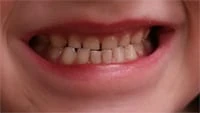
This is the tooth fairy stage of oral development, so get your wallet ready! Around age 6, your child will begin to lose primary teeth in the front and gain permanent teeth in the front and back. Once the teeth start to touch, you should begin flossing your child’s teeth regularly. Children typically don’t brush along the gumline or the back teeth, so pay special attention to these problem areas. However, almost 90% of cavities in permanent molars occur in the grooves. Dental sealants, a thin, white coating placed over these high-risk areas, are a great way to protect from decay. During these years, dental injuries are very common, due to increased activity in sports. Ask our team about mouthguards to protect your child’s teeth.
Ages 12-18
At 12 or 13 years of age, most kids have lost all of their baby teeth and have gained a full set of 28 permanent teeth (not including the 4 wisdom teeth). Cavities are more common in the teen years than any other time of life, due to the increase in freedom, which often leads to poor diet choices and lack of oral hygiene practices. As self-awareness increases, children may also notice if they have crooked or discolored teeth. Our understanding and highly qualified team is happy to discuss options for both braces and whitening.
As an important preventative measure, we will take a panoramic x-ray of your child’s jaws to monitor the development of wisdom teeth. If necessary, we will refer your child to a skilled oral surgeon to remove these molars before they cause any damage to surrounding teeth. Be sure to let our office know if your child is experiencing any pain from wisdom teeth.
From the first birthday through the transition to a regular dentist in the teen years, we take your child’s oral health seriously and are committed to doing our very best to maintain a happy, healthy smile!