Learn what happens during a preventive dental cleaning for kids, how to prepare for your child’s visit, and why preventive dental care is important for healthy smiles.
For many parents, bringing a child to the dentist for the first time can feel like a big milestone. Some children walk in excited and curious. Others feel nervous the moment they see the dental chair. Parents often have plenty of questions too – especially if they are unsure what actually happens during a preventive dental cleaning for kids.
At Shelby Pediatric Dentistry, we believe preventive visits should feel positive, educational, and low-stress for both children and parents. Our goal is not just to clean teeth. We also want children to build confidence and comfort at the dentist from an early age.
The good news is that most preventive dental visits are simple, gentle, and much easier than parents expect.
Why Preventive Dental Care Matters for Children
One of the best things parents can do for their child’s oral health is stay consistent with preventive dental care.
Preventive visits help us monitor growth, identify concerns early, and teach healthy habits before bigger problems develop. In many cases, regular cleanings and exams can help children avoid more extensive dental treatment later.
Some of the biggest preventative dental care benefits include:
- Early cavity detection
- Professional plaque removal
- Monitoring growth and development
- Fluoride protection
- Healthy oral hygiene habits
- Reduced dental anxiety over time
- Education for both parents and children
In our experience, children who grow up comfortable at the dentist often continue those healthy habits into adulthood.
What Happens During a Dental Cleaning for Kids?
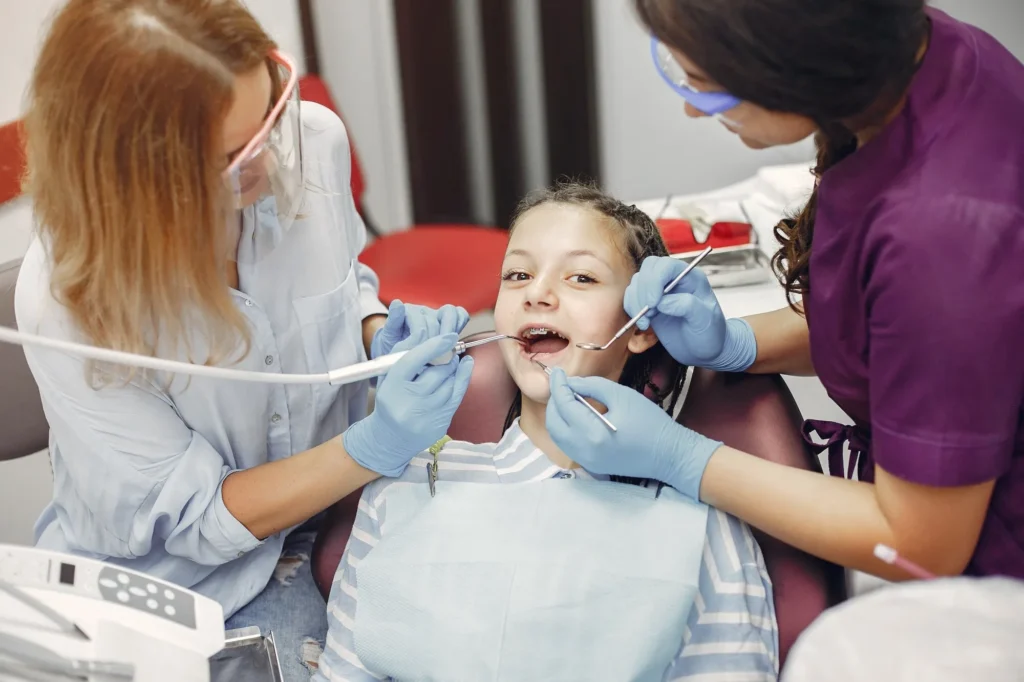
Parents commonly ask: What happens during a dental cleaning for kids?
Every child is different, but most appointments follow a similar process.
Greeting and Getting Comfortable
At the beginning of the visit, our team helps children feel relaxed and comfortable. Younger children may sit with a parent initially or simply spend a few minutes exploring the room and getting familiar with the environment.
This first impression matters more than many people realize.
A positive early experience can shape how children feel about dental care for years to come.
Examining the Teeth and Gums
The dentist will examine your child’s teeth, gums, bite, and oral development. Depending on age and needs, digital X-rays may also be recommended (typically around age 4 and older).
We look for:
- Cavities
- Plaque buildup
- Gum inflammation
- Tooth development concerns
- Spacing issues
- Habits like thumb sucking
- Tongue-ties and lip-ties
- Early orthodontic concerns
For younger children, the exam is often very quick and gentle.
Cleaning the Teeth
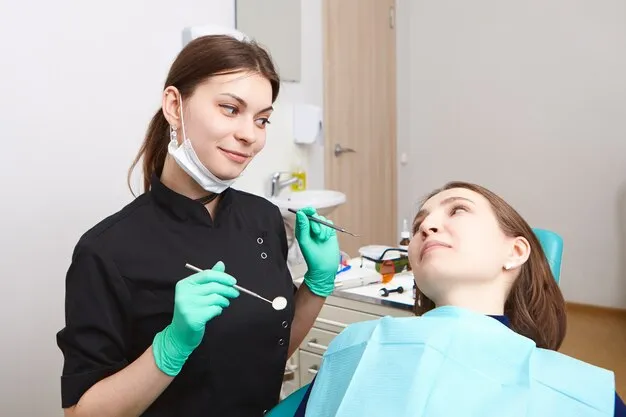
During the preventive dental cleaning, a hygienist or dental assistant carefully removes plaque and buildup from the teeth.
Children often hear funny sounds from the cleaning tools, but the process is usually painless.
The cleaning may include:
- Plaque removal
- Tooth polishing
- Flossing
- Scaling (removing calculus)
- Fluoride treatment
Many children actually enjoy the “tickling” toothbrush and getting to choose a toothpaste flavor.
Fluoride Treatment
Fluoride helps strengthen enamel and support cavity prevention for children.
After the cleaning, fluoride may be applied as a varnish or foam. Most children tolerate this very well, and the application only takes a few moments.
Parents are usually given simple instructions afterward regarding eating or drinking.
How Long Does a Kids Dental Cleaning Take?
Another common parent question is: How long does a kids dental cleaning take?
Most routine cleaning appointments take approximately 30 minutes depending on:
- Your child’s age
- Cooperation level
- Whether X-rays are needed
- Amount of buildup present
- Whether this is a first visit
For toddlers or very young children, appointments are often shorter and focused mainly on creating positive experiences.
In our experience, it is usually better for early visits to feel relaxed and encouraging rather than rushed or overwhelming.
Preparing for the First Pediatric Dentist Appointment
The first pediatric dentist appointment can make parents surprisingly nervous, especially if the child is very young.
One of the most helpful things parents can do is stay calm themselves. Children often pick up on adult anxiety very quickly.

How to Prepare Your Child for Their First Dentist Visit
Parents frequently ask how to prepare your child for their first dentist visit.
A few simple tips can make a big difference:
- Talk positively about the dentist
- Avoid using scary words like “hurt,” “shot,” or “drill”
- Read children’s books about dental visits
- Let your child bring a comfort item if needed
- Schedule appointments when your child is well-rested
A SIMPLE NEXT STEP
Ready to Schedule Your Child’s First Dentist Visit?
One thing we usually recommend not doing is over-explaining every detail beforehand. Sometimes too much buildup can actually increase anxiety.
A simple, positive explanation is often best.
Preventive Dentistry for Kids Starts Early
Many parents are surprised to learn that preventive dentistry for kids starts much earlier than elementary school.
The American Academy of Pediatric Dentistry recommends children see a dentist around their first birthday or within six months of the first tooth erupting.
That may sound early, but these visits are often more about education and prevention than treatment. Sadly, we have seen older one-year-olds (19 months or so) with cavities already. So early is best to avoid the need to fix several cavities.
Early appointments allow parents to ask questions about:
- Brushing techniques
- Thumb sucking
- Pacifier use
- Diet and cavities
- Teething
- Tongue-tie and lip-tie
- Oral development
- Fluoride use
They also help children become familiar with the dental environment before problems arise.
Helping Children With Dental Anxiety
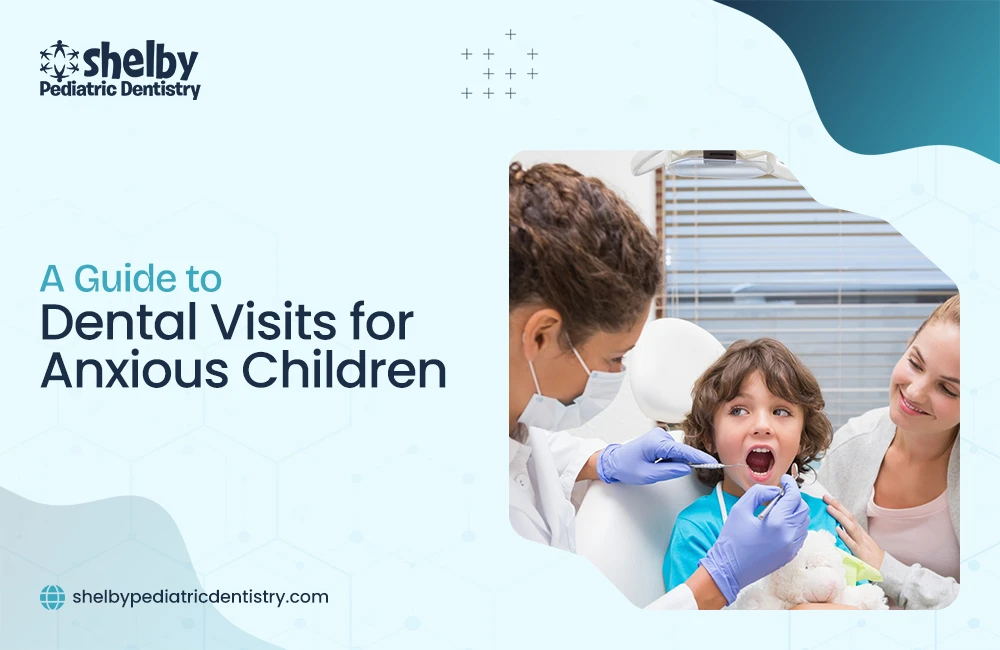
One of the biggest concerns many parents have is dental anxiety in kids.
Some children are naturally cautious in new environments. Others may have had previous medical experiences that make them nervous.
At Shelby Pediatric Dentistry, we work hard to create a child-friendly atmosphere where children feel safe and supported.
Common Signs of Dental Anxiety
Children with anxiety may:
- Cry before appointments
- Refuse to open their mouth
- Cling to parents
- Become very quiet
- Ask repetitive questions
- Resist sitting in the chair
This is very common, especially during early visits.
Making Visits More Comfortable
Our team uses several approaches to help children feel more comfortable, including:
- Positive reinforcement
- Gentle communication
- Age-appropriate explanations
- Tell-show-do techniques
- Child-friendly language
- Parent involvement
In many cases, confidence improves dramatically after just one or two positive visits.
Preventive Dental Care Tips for Parents
At-home care is still one of the most important parts of preventive dental care children need.
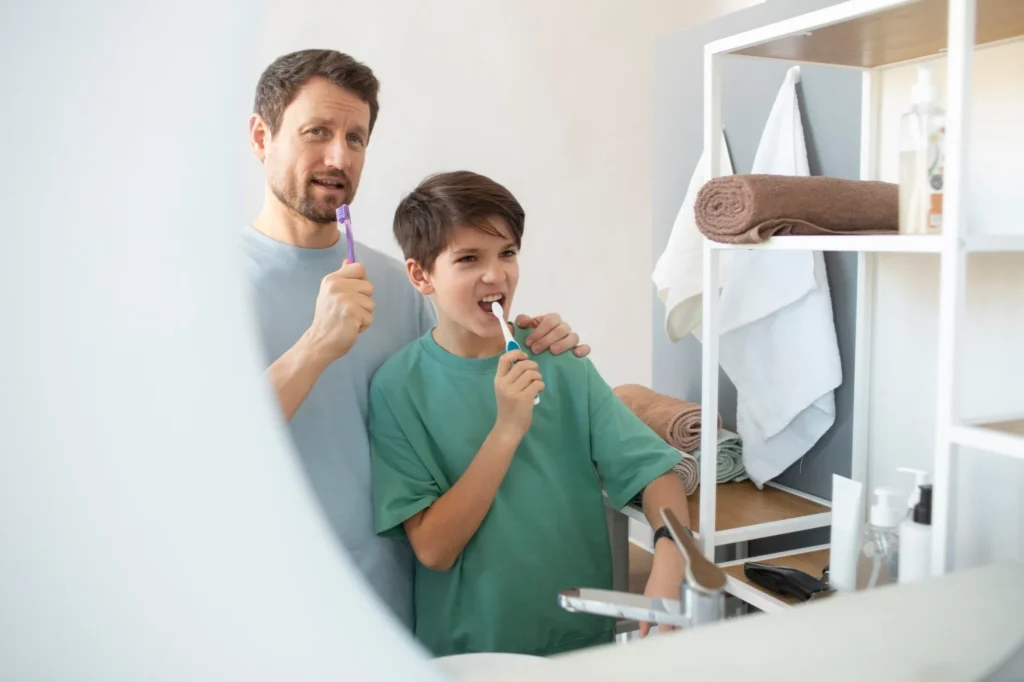
Some helpful preventive dental care tips include:
- Brush twice daily with fluoride toothpaste
- Help younger children brush thoroughly
- Floss daily once teeth begin touching
- Limit sugary drinks and snacks
- Encourage water between meals
- Maintain regular dental checkups
Consistency matters much more than perfection.
Even small daily habits can make a huge difference over time.
Why Preventive Dental Visits Matter Long-Term
One of the biggest goals of pediatric dentistry is prevention.
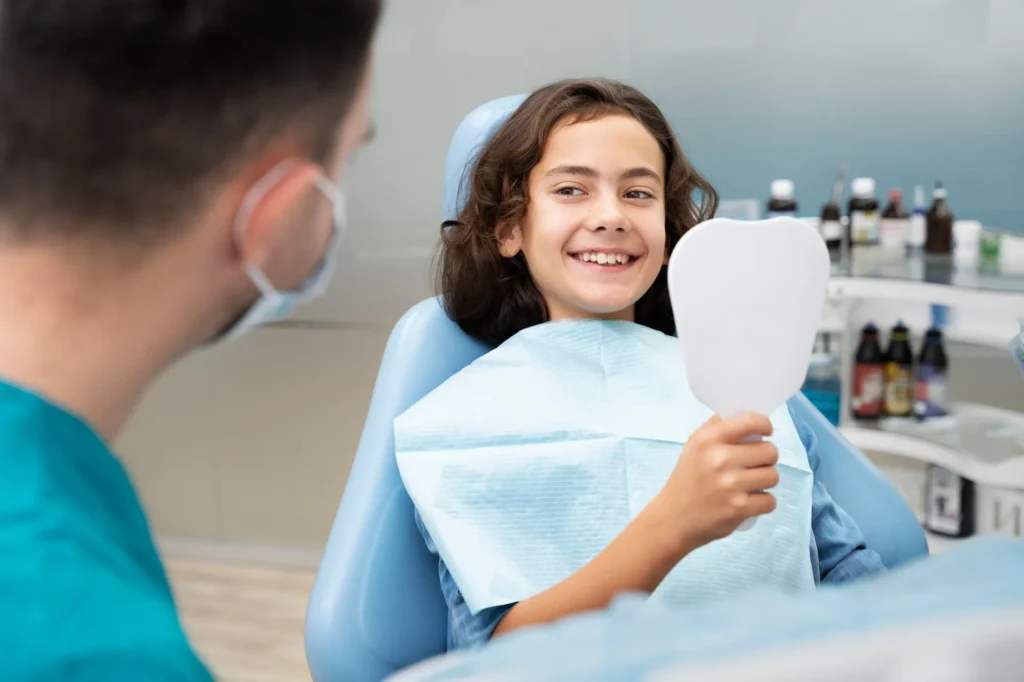
Regular cleanings and exams help us catch concerns early while also teaching children that dental care is simply a normal part of staying healthy.
In our experience, children who start preventive visits early often become much more confident dental patients over time.
That confidence can reduce stress for both children and parents for years to come.
FAQs About Preventive Dental Cleanings for Kids
Are dental cleanings painful for kids?
Most preventive dental cleanings are gentle and painless. Some children may dislike certain sounds or sensations initially, but discomfort is usually minimal.
How often should children get dental cleanings?
Most children benefit from cleanings and exams every six months, although recommendations may vary depending on cavity risk.
What age should children first see a dentist?
Children should typically visit a pediatric dentist by age one or within six months of the first tooth erupting.
What if my child cries during the appointment?
This is very common, especially for younger children. Pediatric dental teams are trained to help children feel safe and comfortable during visits.
Final Thoughts
A preventive dental cleaning is about much more than simply polishing teeth. These visits help children build healthy habits, reduce fear, and develop positive experiences with dental care from an early age.
At Shelby Pediatric Dentistry, we focus on creating a supportive, child-friendly environment where families feel informed and comfortable throughout the visit process.
Whether your child is coming in for their first pediatric dentist appointment or returning for a routine cleaning, our goal is to make preventive dental care as positive and stress-free as possible.
If you are ready to schedule your child’s next cleaning or first dental visit, we would love to help your family get started. Just call 205-419-7444 or send us a message!
A SIMPLE NEXT STEP